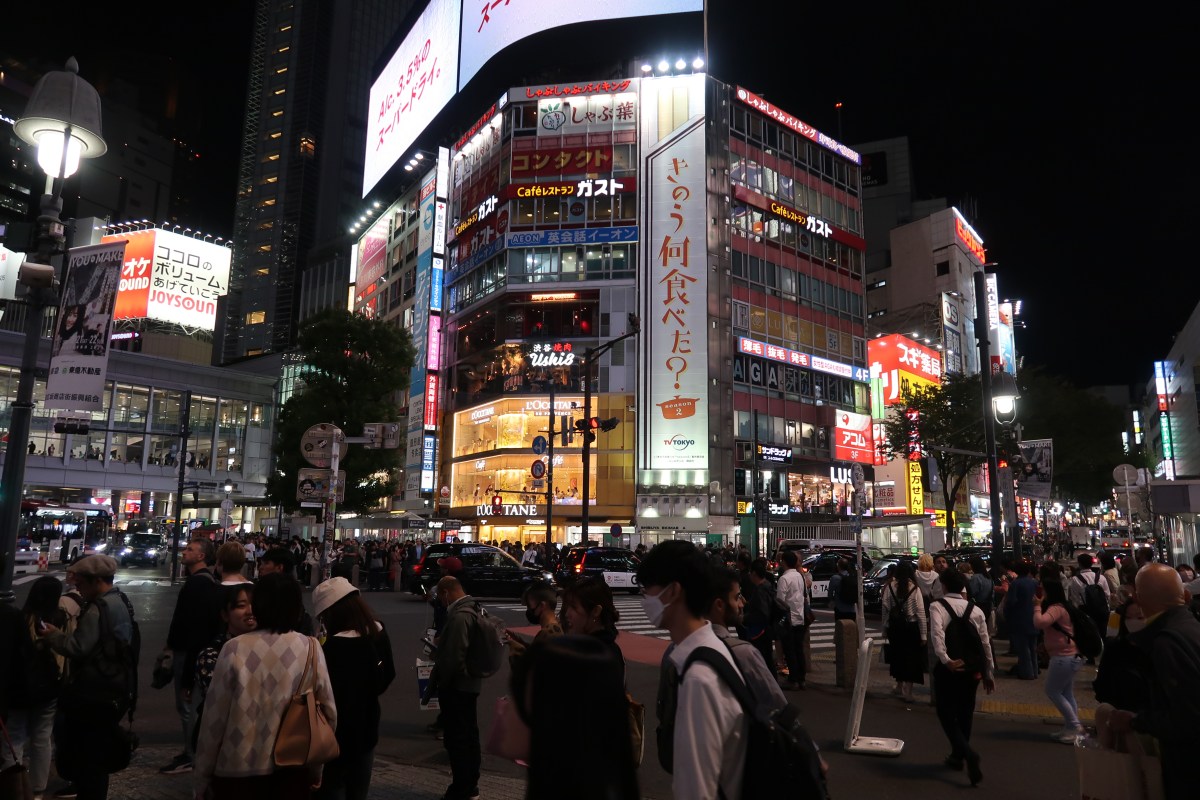
It never sounds like much when you say it out loud.
A 10-minute walk back to the hotel.
On paper, it’s just the end of the night. The part where nothing is really happening anymore. The plans are done, the tours are over, the reservations are checked off.
But in Japan, those walks end up being something else entirely.
They’re where the day actually settles in.
You don’t rush them.
That’s the first thing you realize. There’s no reason to.
You’ve already done the big thing—maybe it was a food tour through a narrow street in Osaka, or standing quietly in a place like Meiji Shrine earlier that day, or just getting lost in the movement of Tokyo. Whatever it was, it’s still sitting with you.
So instead of heading straight back, you slow it down.
Maybe you stop into a convenience store—Family Mart, Lawson, 7-11, somewhere that’s now become oddly familiar. You grab a drink, maybe a snack, something small. Not because you need it, but because it feels like part of the routine now.
Other nights, you don’t stop at all.
You just keep walking.
And that’s when it really starts.
Your brain doesn’t move on from the day. It replays it.
Not in a forced way. Not like you’re trying to remember everything. It just happens. Pieces of the day come back in flashes—the way a street looked under the lights, a conversation, a meal, a moment that didn’t seem that big at the time but somehow stuck.
You’re walking through a city that still feels alive, even late at night, and at the same time you’re reliving something that already happened.
It’s a strange overlap—being fully present and already nostalgic at the same time.
Sometimes the energy is still there.
You’ll pass a place that looks too good to ignore. A small shop still open, a bar with people spilling out onto the street, lights that pull you in for no real reason other than curiosity.
And instead of heading back, you keep it going.
One more stop. One more drink. One more look at a street you’ll probably never see again.
Other nights, you don’t need any of that.
The walk itself is enough.
Because that’s the thing about these moments—they don’t feel important while they’re happening.
There’s no headline for them. No big memory you plan ahead of time.
But they build something.
They connect everything else you did that day. They give you space to actually feel it instead of just moving on to the next thing.
By the time you get back to the hotel, you’re not just ending the day.
You’ve processed it.
You’ve lived it once—and then, in a quiet way, lived it again on the walk back.
And somehow, that simple 10-minute walk becomes one of the parts you remember the most.


