Some experiences look simple when you book them.
A short train ride. A walk through a small town. A hike up a mountain. Back by the afternoon.
That’s what this one looked like.
We left Osaka and made the 45-minute trip out to Minoh—a quiet town known for its citrus, tucked away from the pace of the giant city. It felt like a reset the moment we arrived. Slower streets. Fewer people. A different kind of energy than what we had been used to. Even Japanese I met during the trip said it was rare for a foreigner to make it all the way to Minoh.
At first, it didn’t feel like anything extraordinary. Just a change of scenery.
We walked through the old town, taking it in piece by piece, until the path started to shift. The streets gave way to a trail. The trail turned into a climb. And before long, it stopped feeling like a casual walk and started feeling like something you had to work for. But it was worth every step and every deep breath.
The road up Mt. Minoh wasn’t forgiving.
It was uneven, rough in spots, and just challenging enough to demand your attention. You couldn’t drift mentally like you can in a city. Every step mattered. One wrong move, one lapse in focus, and it could have easily turned into an injury and a long hike back down the mountain.
So you stayed present. And that’s when the experience changed.
Because once you’re forced to slow down, to pay attention, you start to notice more.
We stopped a few times—not just because we needed to catch our breath, but because it felt right to pause. The kind of pause where you’re not rushing to the next stop, not thinking about what’s ahead, just taking in what’s around you.
The colors. The quiet. The sound of the water moving through the valley somewhere below.
At one point, we made our way down toward the river. The water was cold, sharp in a way that wakes you up instantly. It rushed through the rocks with a steady force, completely indifferent to how long we had been climbing to get there.
It didn’t feel like part of a tour.
It felt like stepping into something untouched.
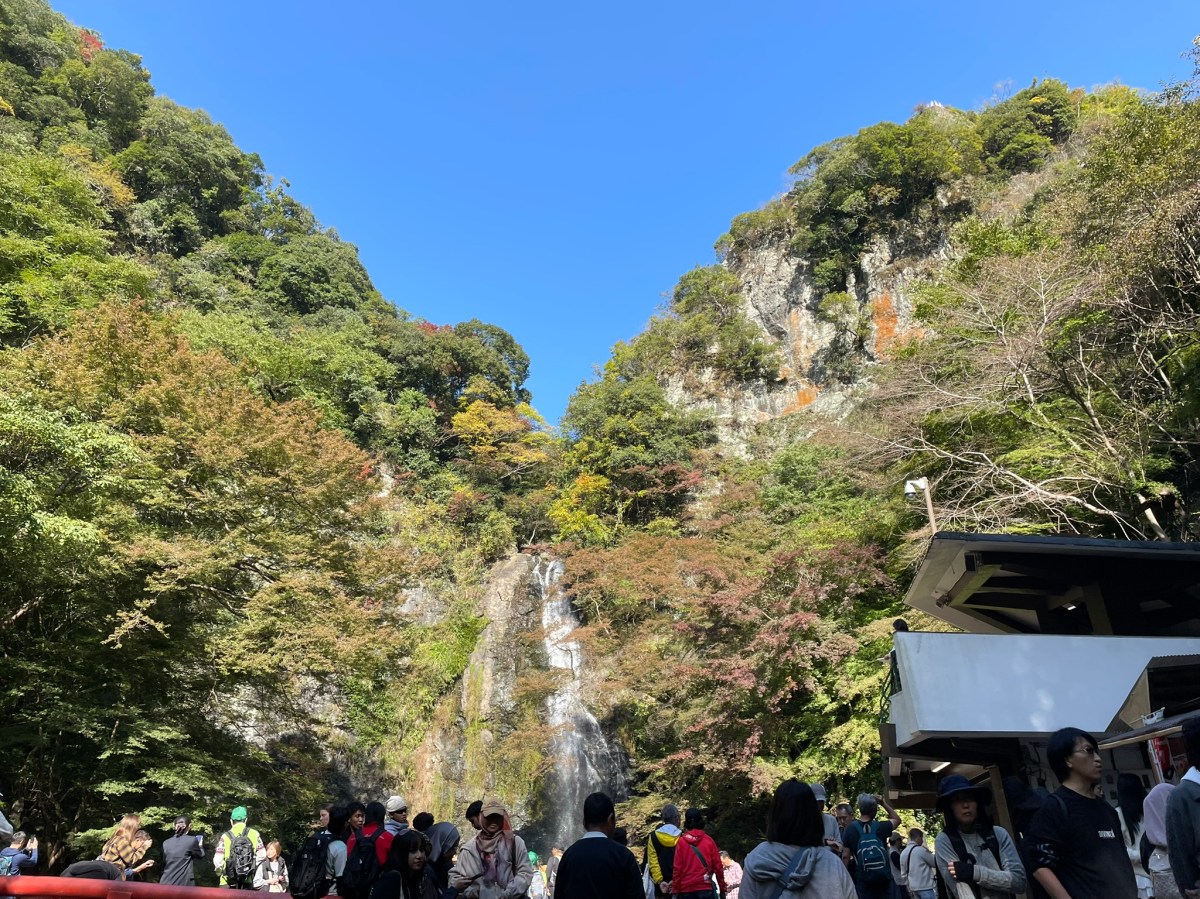
By the time we reached the waterfall at the top, the climb had done its job.
Your legs felt it. Your breathing reminded you how far you’d come. But standing there, looking at it, none of that really mattered.
Because it earned something.
The view wasn’t just something you arrived at—it was something you worked for.
And that changes how you experience it. The way down felt different.
Not easier, but lighter.
We weren’t chasing anything anymore. The destination had already been reached, so everything after that became about absorbing it.
We stopped for traditional soba noodles on the way back. Sat down. Slowed down completely. Let the moment stretch a little longer than it needed to.
That’s when it all started to settle in.
It wasn’t the biggest thing we did on the trip.
It wasn’t the most talked about.
But it ended up being one of the most memorable.
Because it caught me off guard.
What started as a simple addition to the itinerary turned into something deeper—something physical, something quiet, something that forced you to be present in a way that most travel moments don’t.
It’s the kind of experience I’d do again without hesitation.
Just maybe with better shoes next time.

 Travels With Matt Blog