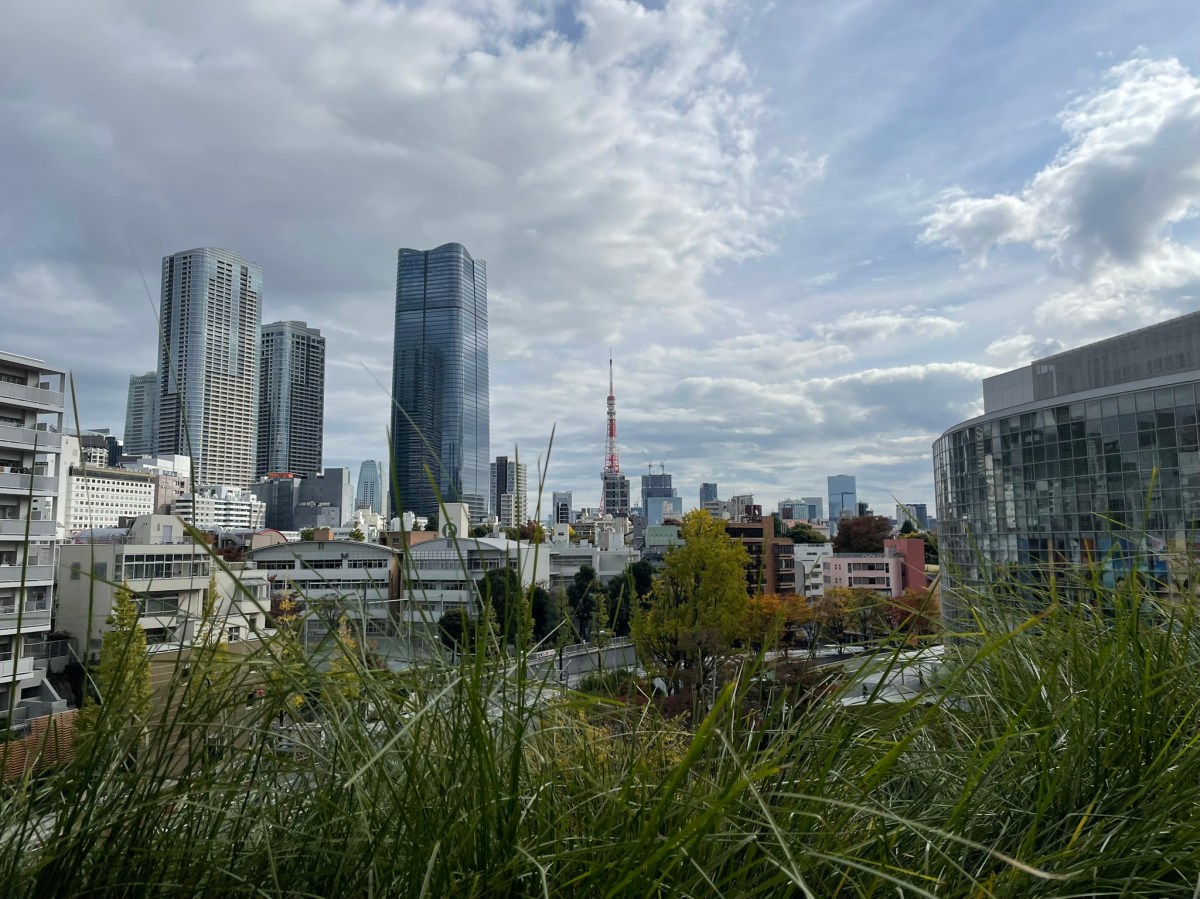
Before traveling to Japan, I thought I knew how to navigate cities.
I knew how to plan routes, pin destinations, and optimize days so nothing was “wasted.” I moved through places with intent, but also with a quiet sense of urgency — always aware of what was next, what I might miss, and how much ground I could cover.
Japan changed that, all for the better.
Cities like Tokyo and Osaka have a reputation for being overwhelming, especially for first-time visitors. The size alone is intimidating. Endless neighborhoods. Massive rail networks. Stations that feel more like underground cities than transit hubs. From the outside, it can seem like a place where you either keep up or get lost.
What I didn’t expect was how quickly Japan taught me to relax inside that complexity.
Learning to Navigate Without Forcing Control
At first, moving through Tokyo felt like a test.
Multiple train lines intersecting. Stations with dozens of exits. Platforms stacked on top of each other. It’s the kind of environment that exposes how tightly you cling to control while traveling. Miss one turn, take the wrong exit, and suddenly you’re somewhere unfamiliar — which, early on, feels like failure. If you have ever navigate Shinjuku Station, then you know this feeling.
But Japan reframes that instinct almost immediately.
The rail system, as massive as it is, works with an underlying logic. Trains run on time. Signage is clear. Even when you’re unsure, the city doesn’t punish you for it. You begin to trust the system — and, eventually, yourself.
Instead of fighting the city, I learned to move with it.
I stopped obsessing over perfect routes. I stopped panicking when plans shifted slightly. If I came up above ground in the wrong place, I walked. If a train was crowded, I waited for the next one. What initially felt like inefficiency started to feel intentional.
That shift changed everything.
Setting a Destination — Then Letting Go
Japan taught me a balance I didn’t know I needed: set a destination, but loosen your grip on how you get there.
Having a destination matters, especially in cities as large as Tokyo or Osaka. It gives your day shape. It anchors you. But Japan showed me that the space between destinations is where cities reveal themselves.
Walking through side streets after exiting the “wrong” station. Passing neighborhood shops that weren’t on any list. Stumbling into quiet residential blocks just a few minutes from major commercial areas. These weren’t detours — they were the experience.
Instead of viewing movement as something to minimize, I began to see it as part of the journey.
I adjusted on my feet. I let streets pull me in directions I hadn’t planned. And slowly, I stopped measuring days by how many places I saw and started measuring them by how present I felt while moving through them.
The Freedom of Moving With the Flow
There’s a rhythm to Japanese cities that becomes noticeable once you stop resisting it.
People move with purpose, but not with panic. Crowds flow predictably. Lines form naturally. Even during rush hour, there’s an unspoken agreement about how space is shared. Once you tune into that rhythm, navigation becomes less about decision-making and more about observation.
You learn when to walk quickly and when to slow down. When to follow and when to step aside. You begin to anticipate movement instead of reacting to it.
That awareness carries beyond Japan.
Since those trips, I’ve noticed how differently I move through cities everywhere else. I walk more. I look up more. I’m less focused on optimizing my route and more focused on absorbing my surroundings. Japan didn’t just teach me how to get from point A to point B — it taught me how to exist between those points.
Intimidation Turns Into Confidence
What’s interesting is that the very things that make cities like Tokyo intimidating at first are the same things that build confidence over time.
The scale forces you to trust systems instead of micromanaging every step. The rail network demands flexibility. The density pushes you to adapt rather than control.
And once you realize that getting slightly lost isn’t dangerous — that it’s often rewarding — something shifts. Movement becomes liberating instead of stressful.
You stop feeling like a visitor trying to conquer a city and start feeling like a participant moving through it.
Seeing Cities Differently
Japan changed the way I move through cities because it changed what I believe movement is for.
It’s not just about efficiency. It’s not about speed. It’s about awareness.
Cities aren’t obstacles to navigate or puzzles to solve. They’re living environments shaped by routines, habits, and countless small interactions happening all at once. When you slow down enough to notice those details, cities stop feeling overwhelming and start feeling human.
Tokyo and Osaka taught me that you don’t need to understand everything to move confidently. You just need to pay attention.
Carrying the Lesson Forward
As I start a new year, that lesson feels especially relevant.
I don’t move through cities the same way I used to, and I don’t move through life the same way either. I still set destinations. I still make plans. But I leave room for adjustment. For exploration. For moments that weren’t on the itinerary.
Japan showed me that even in the largest, most complex cities, there’s freedom in letting go of control — in trusting that the path will make sense as you walk it.
That mindset has stayed with me long after the trip ended. And every time I find myself navigating a new place, I feel it again — that quiet reminder to move with the city, not against it.
That’s what Japan gave me. And it’s something I’ll carry with me wherever I go next.

 Travels With Matt Blog