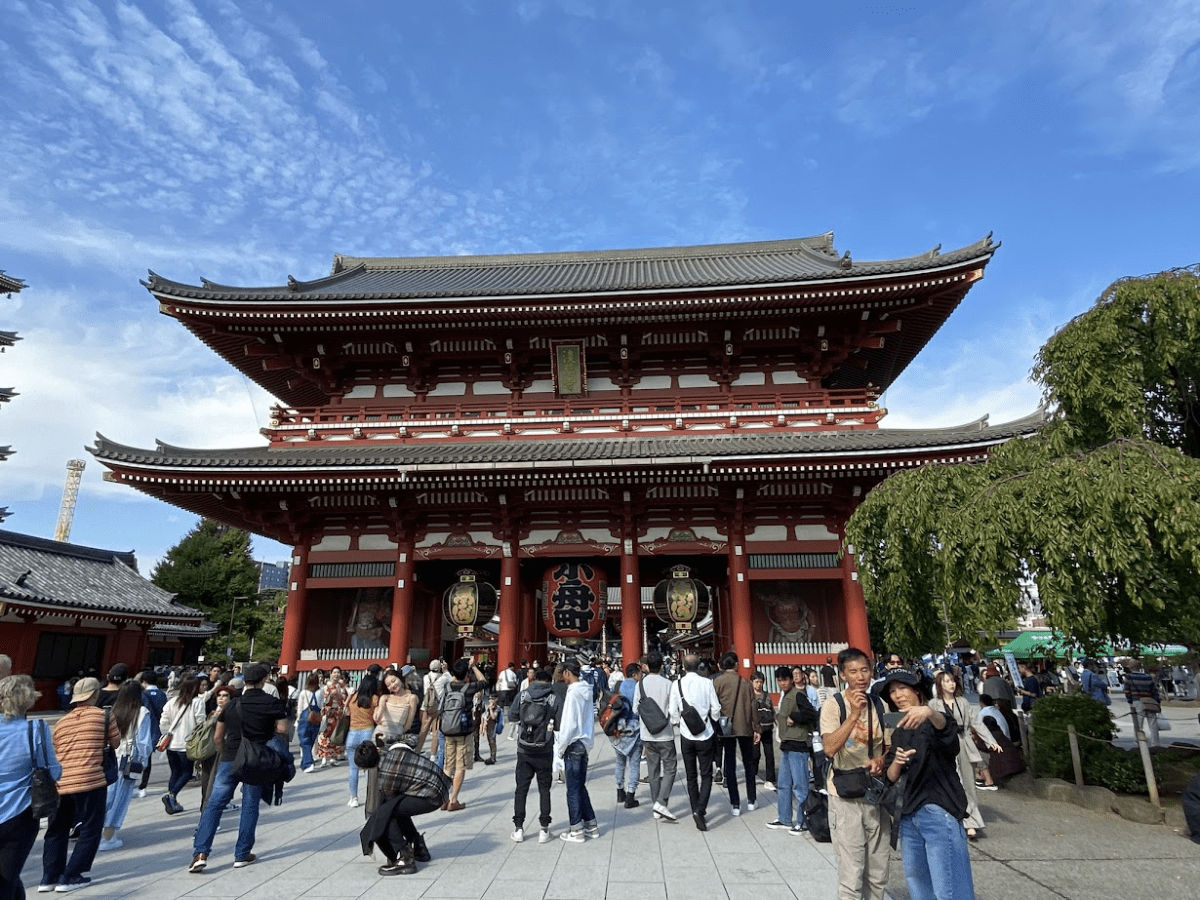
If you’re walking through almost any city in Japan, you’ll quickly notice something unusual—something that’s missing: public trash bins. Unlike many Western cities where you’ll find garbage cans on nearly every street corner, Japan takes a different approach. So, what should you do with your trash as you explore the country?
Why Are Japan’s Streets So Clean?
Japan is known for having some of the cleanest streets in the world. If you’ve ever visited major cities like New York City or Las Vegas, you’ll immediately notice the difference. Litter is rare, sidewalks are spotless, and even high-traffic areas remain well-maintained compared to other large cities around the world. But how does Japan achieve this level of cleanliness, especially in densely populated cities like Tokyo and Osaka?
The answer lies in personal responsibility. In Japan, it’s customary for people to take their trash with them rather than relying on public bins. This cultural mindset encourages citizens and visitors alike to be more mindful of waste disposal, which leads back to our original question: Where are the trash cans?
Where to Find Trash Bins in Japan
While public bins are scarce, they aren’t completely non-existent. If you need to dispose of trash, you’ll have the best luck looking in these locations:
- Convenience Stores (Konbinis): Most konbinis, such as 7-Eleven, Lawson, and FamilyMart, have trash bins outside or inside near the entrance. However, these are primarily intended for customers who have purchased food or drinks from the store.
- Train Stations: Some train stations provide designated waste disposal areas, though these may not be available at every station. Smaller stations will not have bins.
- Restrooms: Many public restrooms, especially in malls, train stations, and department stores, have small trash bins for sanitary waste.
The Reason Behind the Lack of Trash Bins
You might be wondering: Wouldn’t adding more bins make waste management easier? Interestingly, the opposite is true in Japan.
The primary reason for the lack of public trash cans is to reduce litter rather than encourage it. Authorities believe that if trash bins were placed on every street corner, they would overflow quickly due to the sheer number of people—especially in high-traffic areas like Shibuya or Shinjuku. Managing overflowing bins would be an enormous challenge, leading to more trash on the streets rather than less. Additionally, reducing the number of bins discourages random dumping of waste, helping to maintain the country’s pristine environment.
Another contributing factor is a tragic historical event. In 1995, a terrorist attack involving sarin gas concealed in trash bins led to heightened security measures, which included the removal of many public garbage cans. Since then, the scarcity of bins has become a standard feature of urban life in Japan.
What This Means for Tourists
As a visitor, you’ll need to adopt a more mindful approach to waste disposal. Here are some practical tips to help you navigate Japan’s unique trash situation:
- Plan Ahead: If possible, remove excess packaging before leaving your hotel to minimize the amount of waste you’ll need to carry. Plan ahead as best you can.
- Carry a Small Bag: Many locals bring a plastic or reusable bag to store their trash until they find an appropriate place to dispose of it.
- Use Konbini Bins Wisely: If you purchase food or drinks from a convenience store, dispose of the waste in the provided bins rather than carrying it around all day.
- Recycle When Possible: Japan has a strict waste separation system, so be sure to use the correct bin for plastics, bottles, and general waste.
Final Thoughts
While the lack of public trash bins might seem inconvenient at first, it’s part of what makes Japan’s cities so impressively clean. By thinking like a local and taking responsibility for your waste, you’ll not only adapt quickly but also contribute to the country’s commitment to cleanliness and sustainability. So next time you’re in Japan, embrace the habit—carry your trash with you, and enjoy the beautiful, litter-free streets!

 Travels With Matt Blog