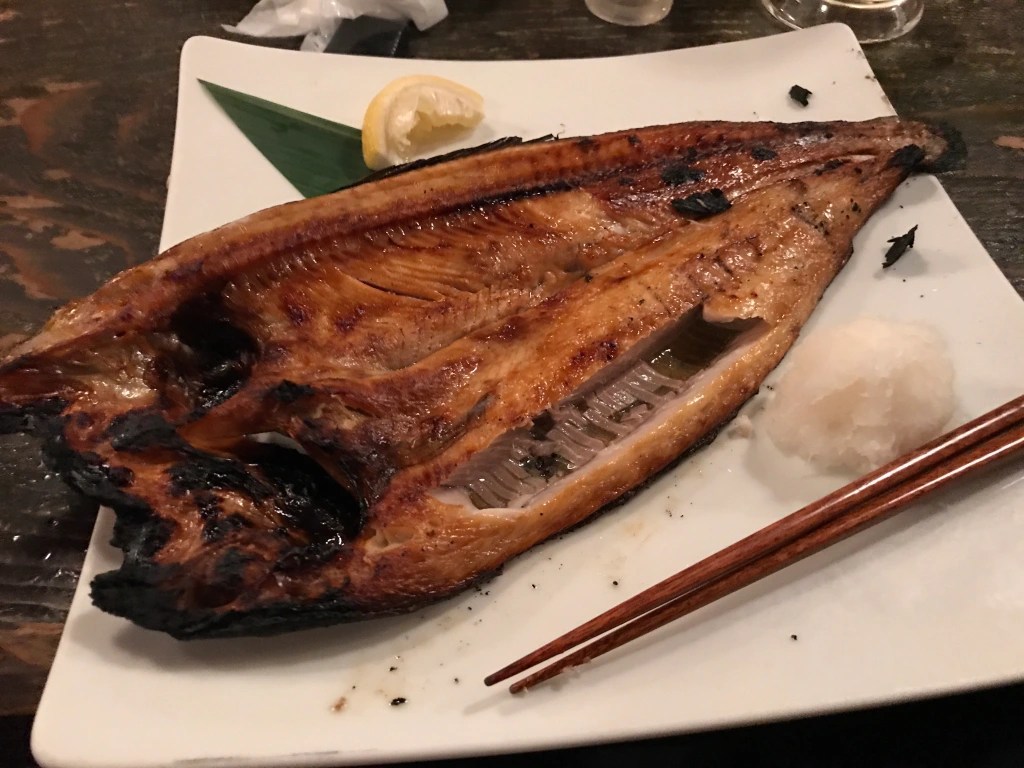
Japan is a land of rich cultural traditions, and this extends to its dining etiquette. When dining in Japan, understanding and respecting local customs can enhance your experience and demonstrate your appreciation for the culture. Whether you’re a first-time traveler or a returning visitor, here are some essential dos and don’ts of Japanese dining etiquette to keep in mind before you sit down for a meal.
Dos:
- Say “Itadakimasu” Before Eating: Start your meal by saying “Itadakimasu,” a polite expression that shows gratitude for the food you’re about to eat. This tradition reflects the Japanese reverence for the act of consuming a meal.
- Use Chopsticks Properly: Hold your chopsticks towards the thicker end and avoid sticking them upright into a bowl of rice, as this resembles a funeral ritual. When not in use, place your chopsticks on the provided rest or on the edge of the plate, don’t stab food or leave them all over the plate.
- Pour Drinks for Others: In a group setting, it’s considered courteous to pour drinks for others before pouring your own. Ensure that others’ glasses are never empty before you refill your own.
- Eat Quietly and Neatly: Eat with your mouth closed and refrain from making loud noises while chewing. Slurping noodles is acceptable and even considered a sign of enjoyment and means you are enjoying your meal.
- Receive and Pass Dishes Correctly: When dishes are shared, receive and pass them with both hands or your right hand. It’s a gesture of respect and cooperation.
- Use the Oshibori (Wet Towel) Properly: Before eating, you may be provided with a wet towel called oshibori to clean your hands. Use it to gently wipe your hands, face, and neck, but not your mouth. They are warm in the winter and cold during the hot summer months.
Don’ts:
- Don’t Stick Chopsticks Upright: As mentioned earlier, sticking chopsticks upright into a bowl of rice is reminiscent of funeral rituals and is considered disrespectful.
- Don’t Pass Food Directly: Avoid passing food from one set of chopsticks to another, as this is reminiscent of a funeral custom as well. Instead, place the food on a shared plate.
- Don’t Blow Your Nose at the Table: Blowing your nose at the table is considered impolite. If necessary, excuse yourself and use a tissue away from the table guests.
- Don’t Waste Food: Japanese culture places great value on not wasting food. It’s respectful to finish what’s on your plate, or at least make a sincere effort.
- Don’t Point With Chopsticks: Pointing at people or objects with your chopsticks is considered rude. Instead, use verbal communication or hand gestures.
- Don’t Start Eating Until Everyone Has Their Food: Wait until everyone at the table has been served before you begin eating. This demonstrates consideration for others.
Conclusion: Navigating Japanese dining etiquette is a wonderful way to show respect for the culture and connect with locals on a deeper level. By adhering to these dos and don’ts, you can enjoy your dining experiences in Japan while fostering positive interactions and leaving a lasting impression of cultural awareness.

 Travels With Matt Blog