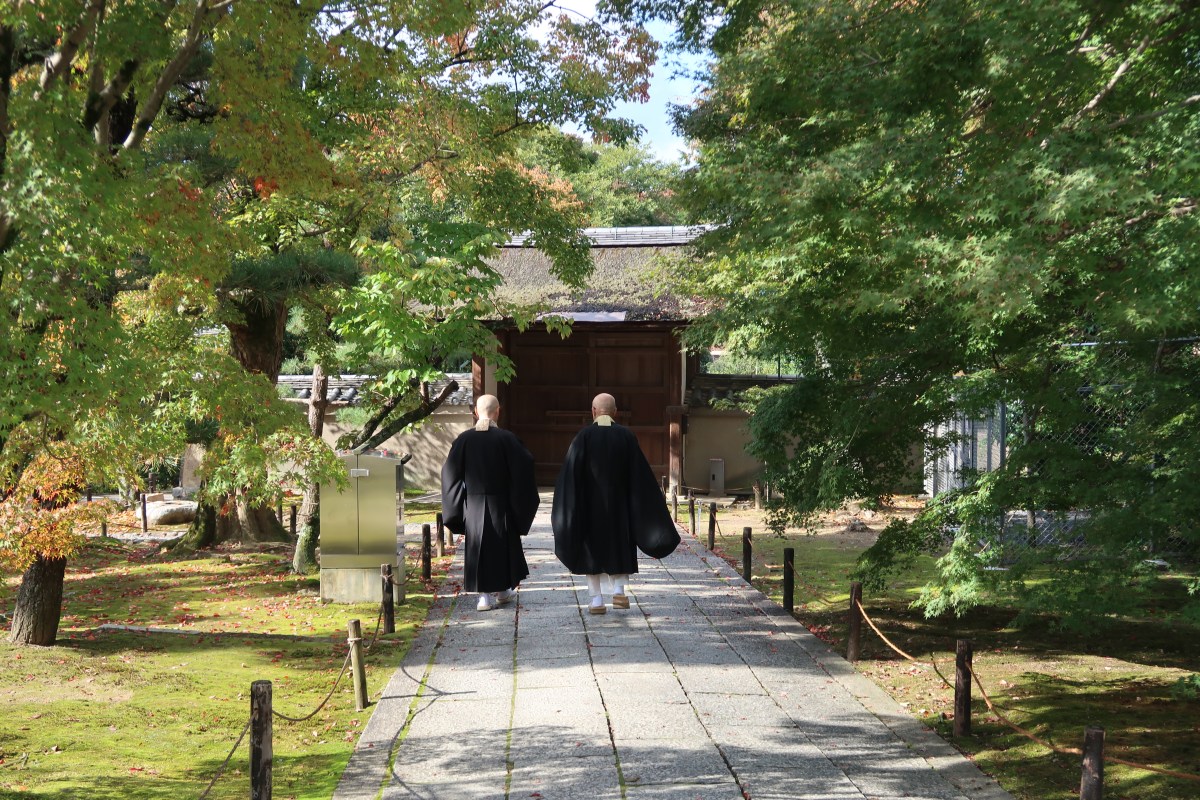
Visiting a Shinto shrine in Japan is not only an opportunity to appreciate the country’s rich cultural heritage but also a chance to immerse yourself in the spiritual atmosphere. Shinto, the indigenous religion of Japan, holds a deep significance, and observing proper etiquette during your visit is essential to show respect.
Whether you’re a first-time traveler or returning to Japan, understanding the dos and don’ts will ensure a meaningful and respectful experience. Let’s explore the key points of Shinto shrine etiquette.
Dos:
- Bow at the Entrance: As you approach the shrine, it’s customary to bow slightly at the Torii gate or the entrance. This is a sign of respect and acknowledgment of the sacred space. The gate itself is the entrance for the gods, so take a moment for a small bow.
- Purify Yourself: Before entering the main shrine area, cleanse your hands and mouth at the temizuya (water basin). This purification ritual symbolizes purification of the mind and body.
- Respect Silence: Maintain a calm and quiet demeanor while in the shrine. It’s a place of worship, and loud conversations or disruptive behavior are considered disrespectful. Keep your voices low and don’t make a scene.
- Proper Dress Code: Wear modest clothing that covers your shoulders and knees. Remove your hat when entering the main shrine building.
- Respect Offerings: Observe the ritual of making an offering (usually a small coin) at the offering box. After offering, bow twice, clap your hands twice, and bow once more to show gratitude and respect. Note that you do not have to observe this part of the ritual, it is up to you if you want to partake.
- Photography: Feel free to take photos of the shrine’s architecture and surroundings but avoid photographing people praying or participating in ceremonies. Be mindful of signs that indicate no photography, for example taking a picture of the inter rooms of the temple is forbidden.
- Follow Rituals: If you see locals participating in rituals such as clapping, ringing bells, or making prayers, it’s perfectly fine to observe and participate if you’re comfortable.
Don’ts:
- Don’t Point: It’s considered impolite to point directly at the kami (Shinto deity) or the main hall of the shrine.
- Don’t Cross Boundaries: Stay within designated areas and paths. Avoid stepping on any ropes or barriers that might be present. You don’t want to get disciplined by the security or to be another bad stereotypical tourist.
- Don’t Interrupt Ceremonies: If you come across a ceremony or prayer, maintain a respectful distance and do not interrupt or disturb the participants.
- Don’t Bring Food: Eating and drinking within the shrine precincts are generally not allowed. Finish any snacks or drinks before entering and store them away as you make your way through the temple grounds.
- Don’t Walk in the Middle: When walking on paths or walkways, avoid walking directly in the center. The middle path is often reserved for the kami (god), so keep to the sides.
- Don’t Make Loud Noises: Keep your volume down and avoid making unnecessary noise, including using your phone (just put it on silent mode).
- Don’t Leave Trash: If you bring any items with you, make sure to dispose of trash properly outside the shrine.
By following these dos and don’ts of Shinto shrine etiquette, you’ll demonstrate respect for the traditions and culture of Japan, creating a meaningful and memorable experience during your visit to these incredible shrines.
And don’t let these rules scare you away from visiting a shrine, they are in place to make sure everyone is able to visit the shrines peacefully whether its for a religious purpose or as a tourist.

 Travels With Matt Blog